
UpkeepAlerts vs Spreadsheets
Many shops start with spreadsheets. UpkeepAlerts helps turn manual customer tracking into a more consistent retention workflow.
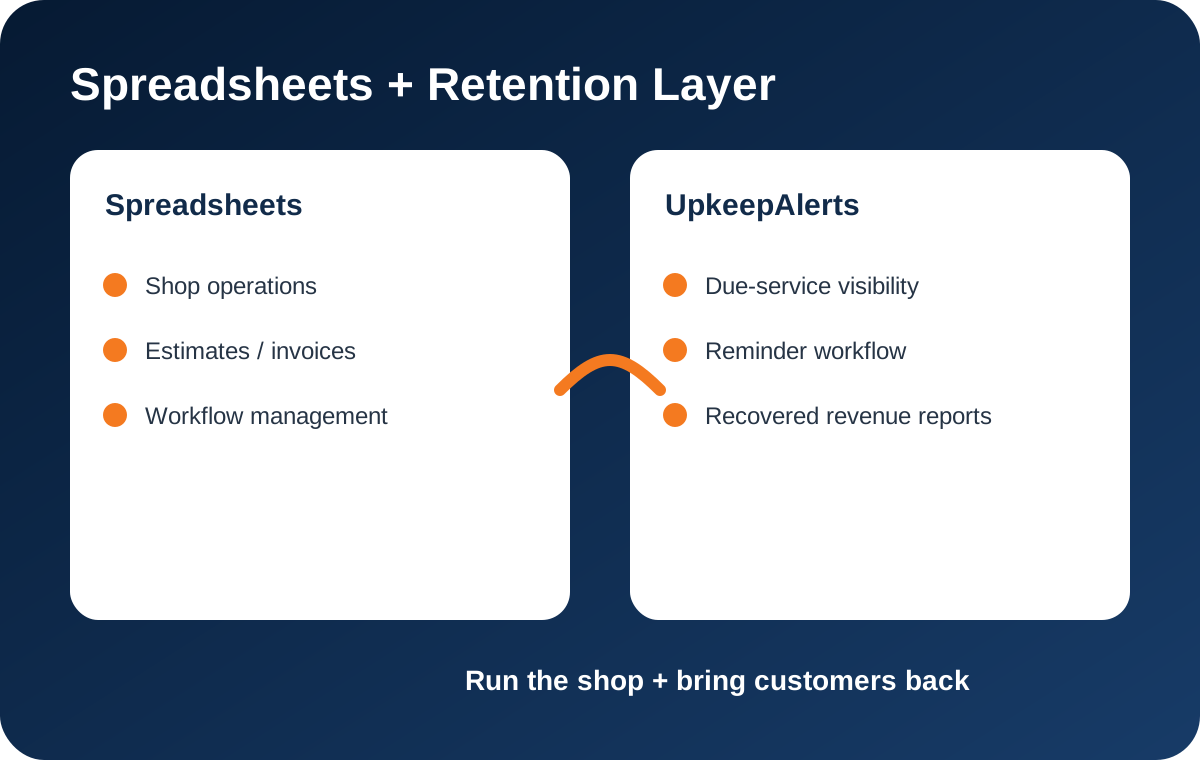
Spreadsheets is built for shop operations.
Spreadsheets are flexible, familiar, and inexpensive. They can work when customer volume is low and follow-up is handled manually.
- Manual customer lists
- Basic due-date calculations
- Simple notes and status tracking
Where UpkeepAlerts fits
UpkeepAlerts is designed to reduce manual follow-up gaps by organizing due services, reminders, and recovery reporting in one focused workflow.
It is designed as a focused retention layer, not a replacement for the system that runs estimates, invoices, inspections, scheduling, or payments.
Shop operations vs. retention visibility
This comparison is meant to clarify positioning. Most shops would use UpkeepAlerts alongside their existing tools.
| Capability | Spreadsheets | UpkeepAlerts |
|---|---|---|
| Customer list storage | Yes | Yes |
| Manual control | Yes | Limited / depends |
| Automatic due-service view | No | Yes |
| Reminder workflow | No | Yes |
| Monthly retention report | No | Yes |
| Recovered revenue estimates | No | Yes |
| Scales beyond manual tracking | Limited / depends | Yes |
Sources consulted: UpkeepAlerts How It Works
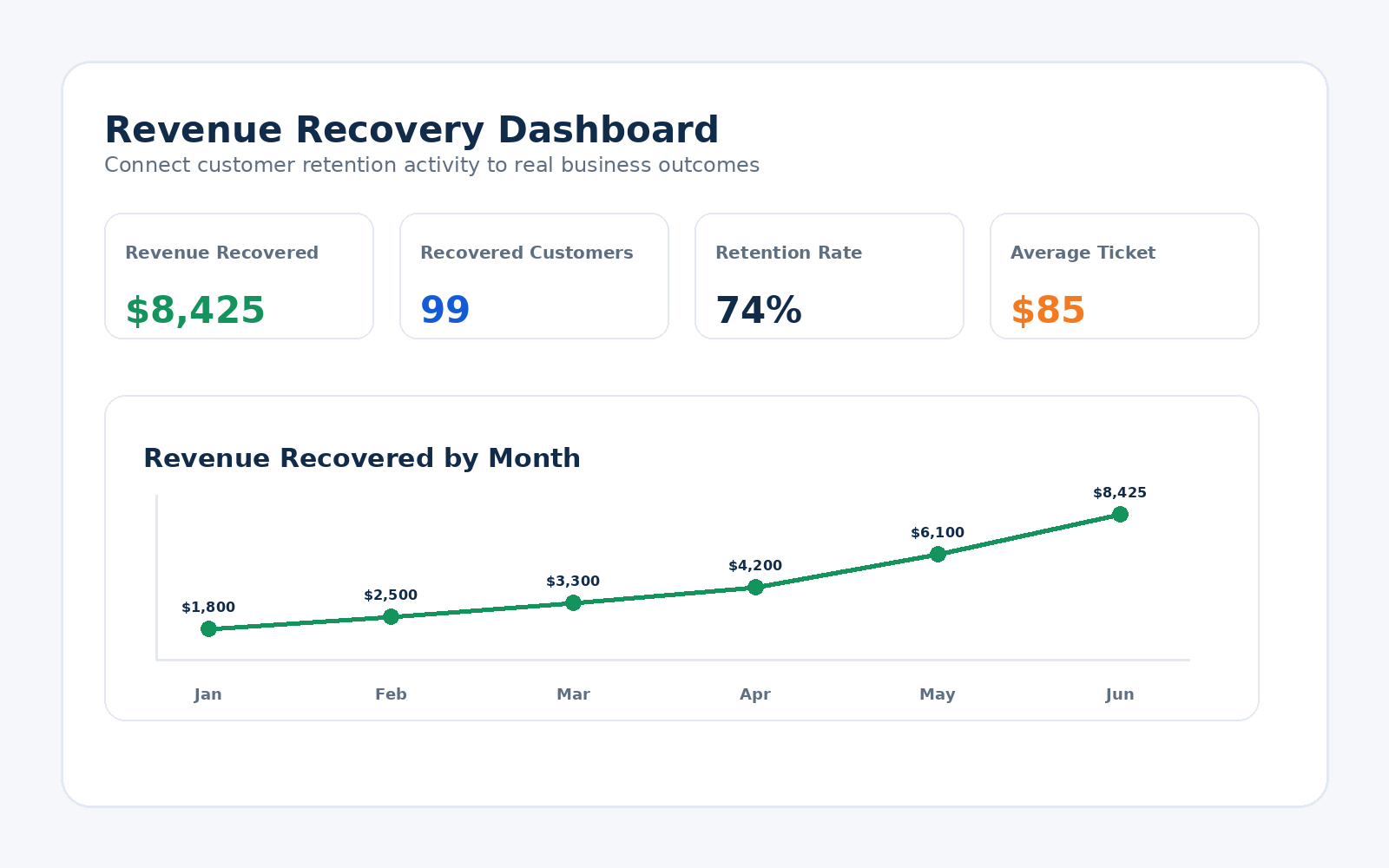
Use spreadsheets to start. Use UpkeepAlerts when consistency and reporting become more important.
UpkeepAlerts is intentionally narrow: it helps quick lube and maintenance shops identify due customers, send reminder workflows, and estimate recovered revenue from repeat visits.
Simple rule
Use your shop management platform to run today's work. Use UpkeepAlerts to help bring yesterday's customers back.
Want to test a retention layer?
Founding shops can help shape the reminder and recovered revenue workflow before public launch.